Issue 04 — On duration
THE
LONG
TAKE
Six minutes, one setup, nobody cuts. What a held shot asks of a crew — and what it gives an audience that a cut never can.
In this issue: Motivated light; Red stock, cold room; The operator’s hand; Anatomy of a shot.
Latest
Frames from
this issue
01
Lighting
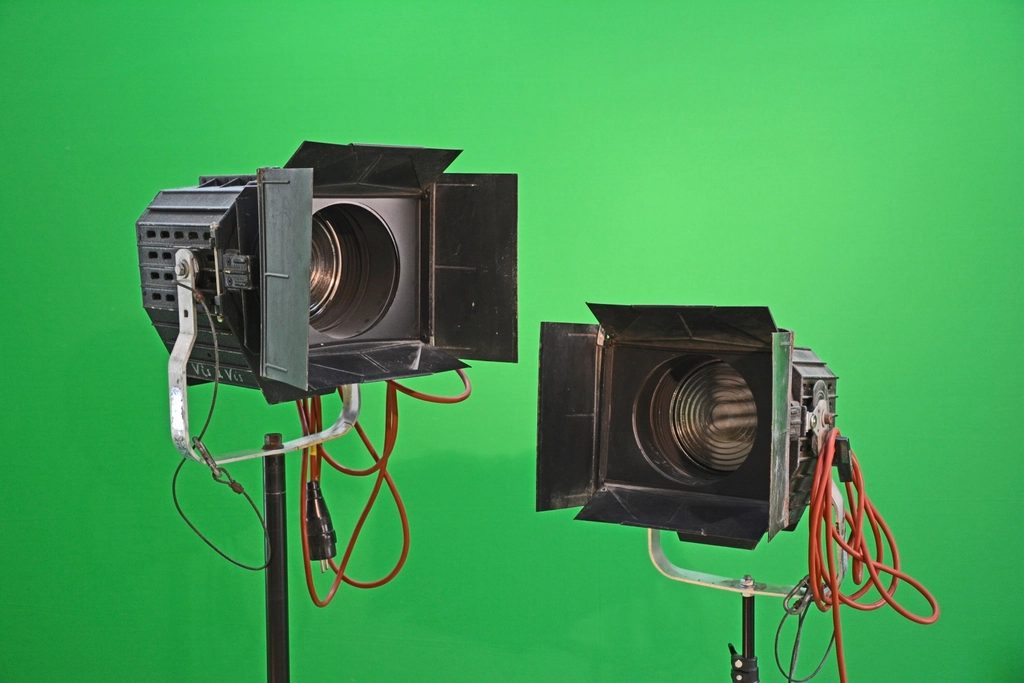
Motivated light
A lamp pretending to be a window. Why the best-lit rooms look unlit, and what a gaffer does to earn that.
02
Emulsion
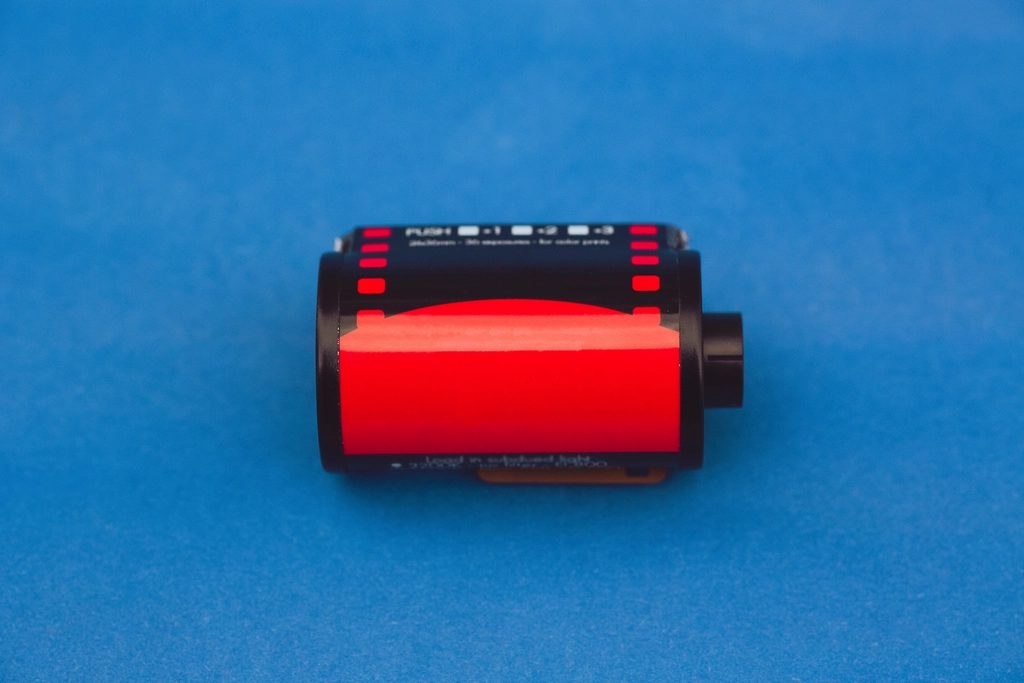
Red stock, cold room
Negative rolls off a highlight instead of clipping it. A short, unsentimental defence of shooting film.
03
Camera
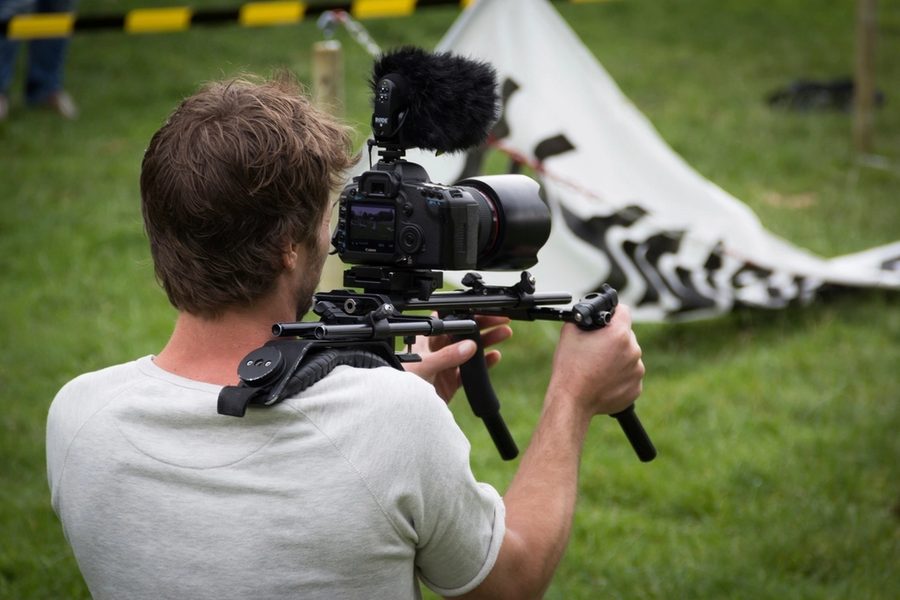
The operator’s hand
Handheld is not shaky. It is a body breathing behind a lens, and it gets choreographed like anything else on set.
Anatomy of a shot
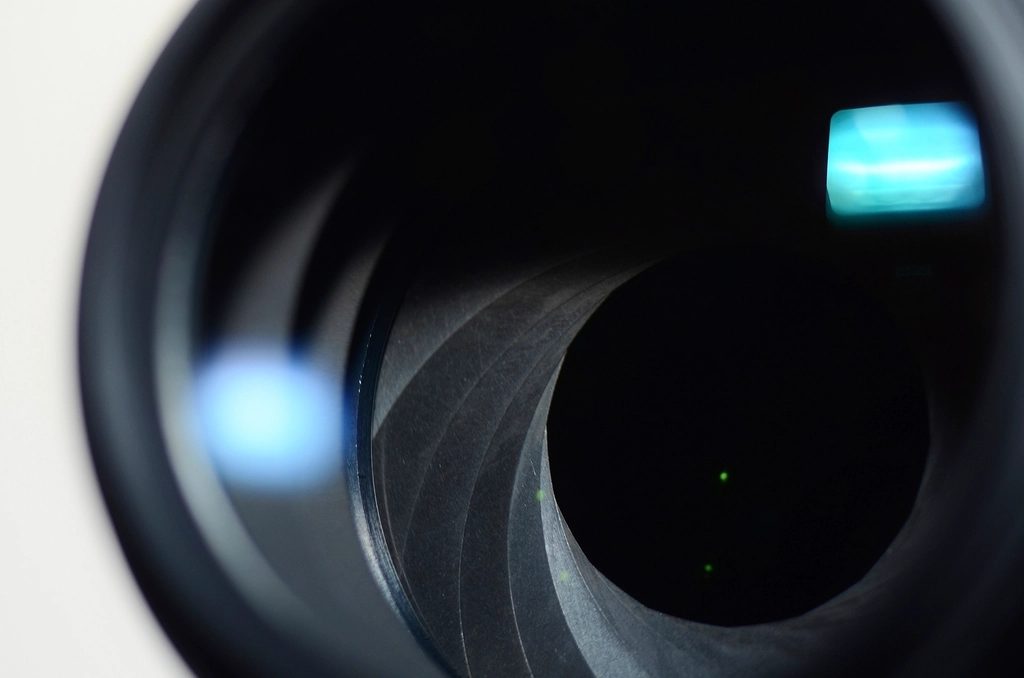
Six blades
and a decision
Everything a cinematographer controls eventually passes through a hole that a handful of metal blades make. Open it and the room falls away behind the actor’s eyes. Close it and the wallpaper joins the conversation. That is the whole trade in one movement.
Stop down and the world sharpens. Open up and it forgets everything but the face.
Depth of field is not a look you apply afterwards. It is a promise about where the audience is allowed to look, made before the take and impossible to take back.
Shot card
Frame study
Four frames,
read slowly
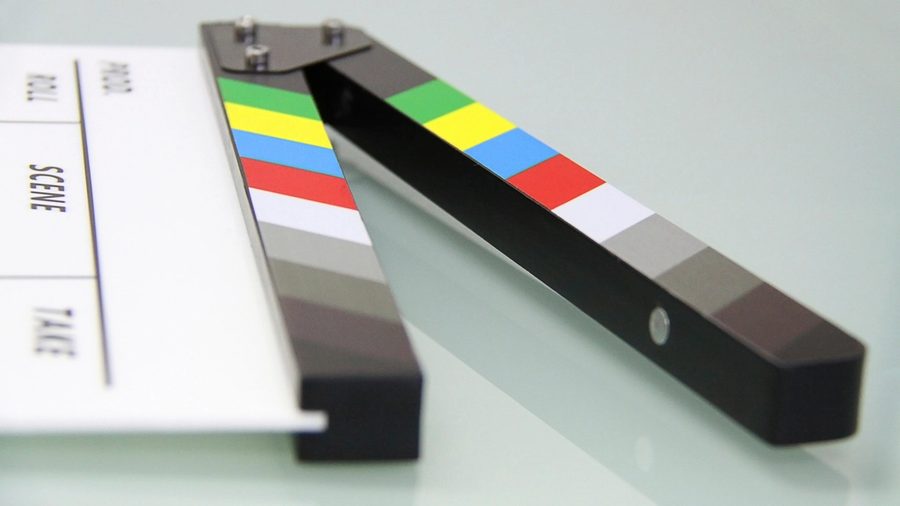
Frame 01
The slate
The shot says its own name to the negative before anyone moves. Scene, take, roll — and a colour chart so the lab knows what white was.
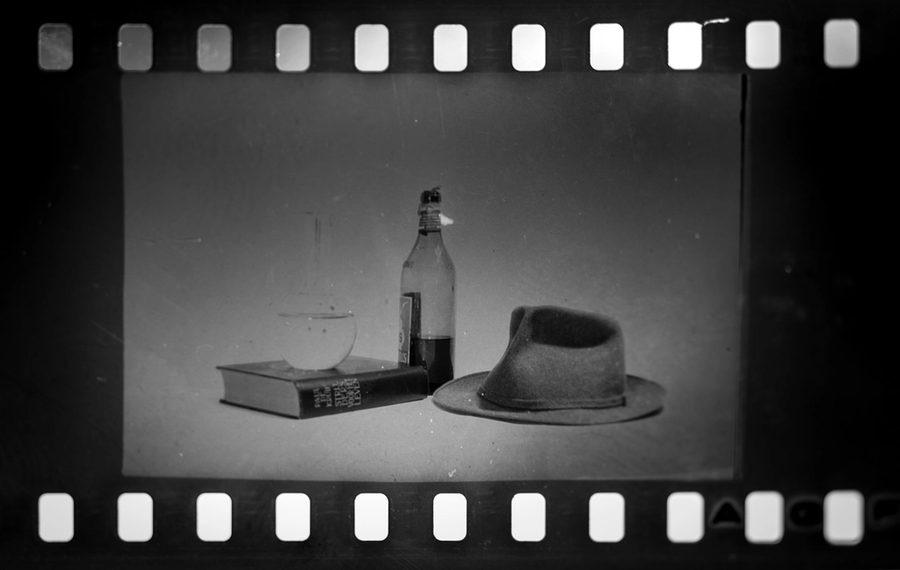
Frame 02
The contact frame
Sprocket holes are the edge of the evidence. Everything the lens agreed to keep sits between them; everything else was a decision to leave out.
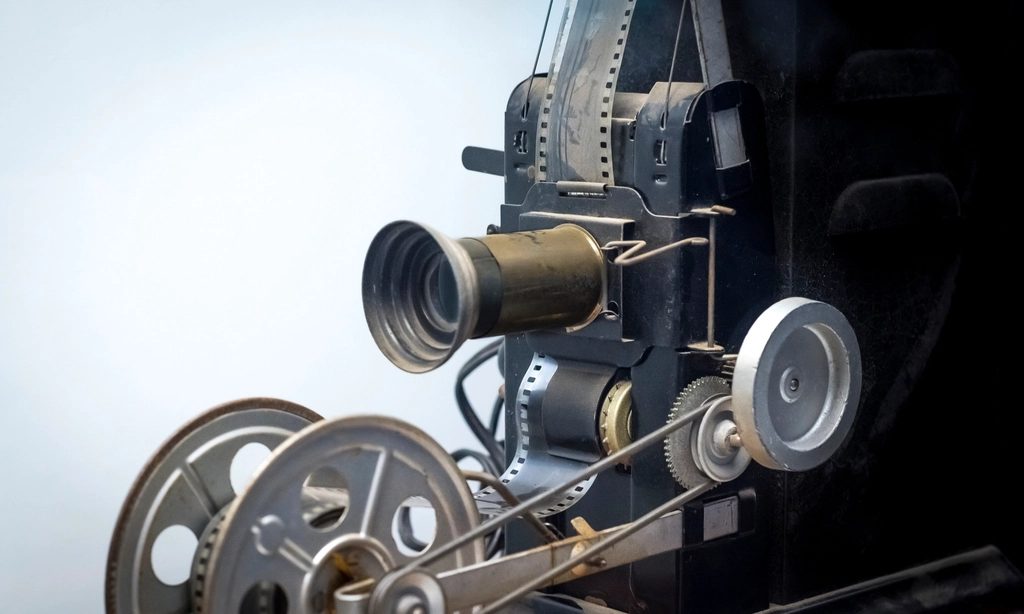
Frame 03
Intermittent movement
A claw pulls each frame down and holds it dead still while the shutter opens. Motion pictures are a sequence of things refusing to move.
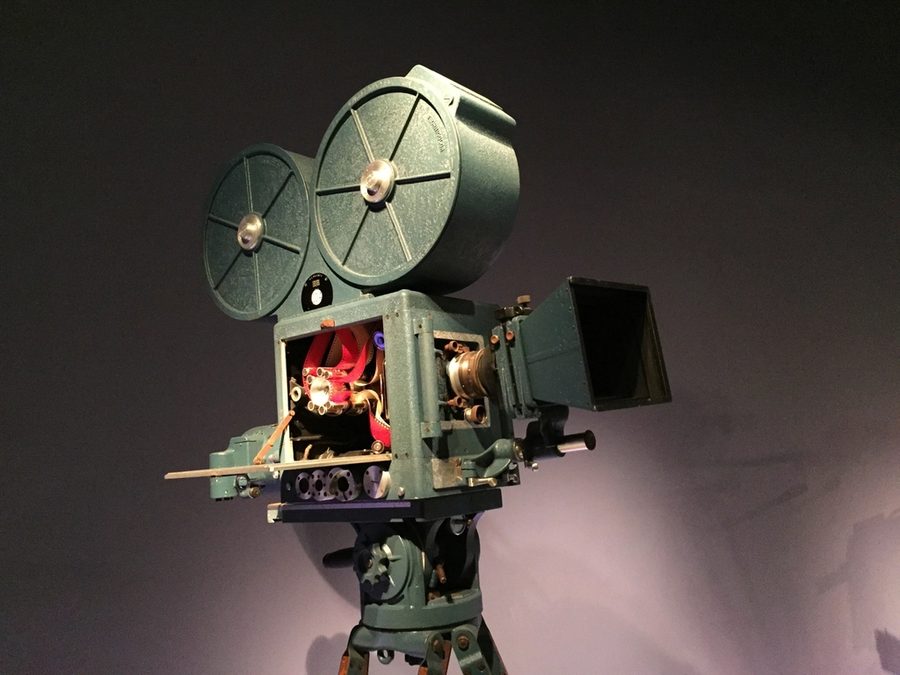
Frame 04
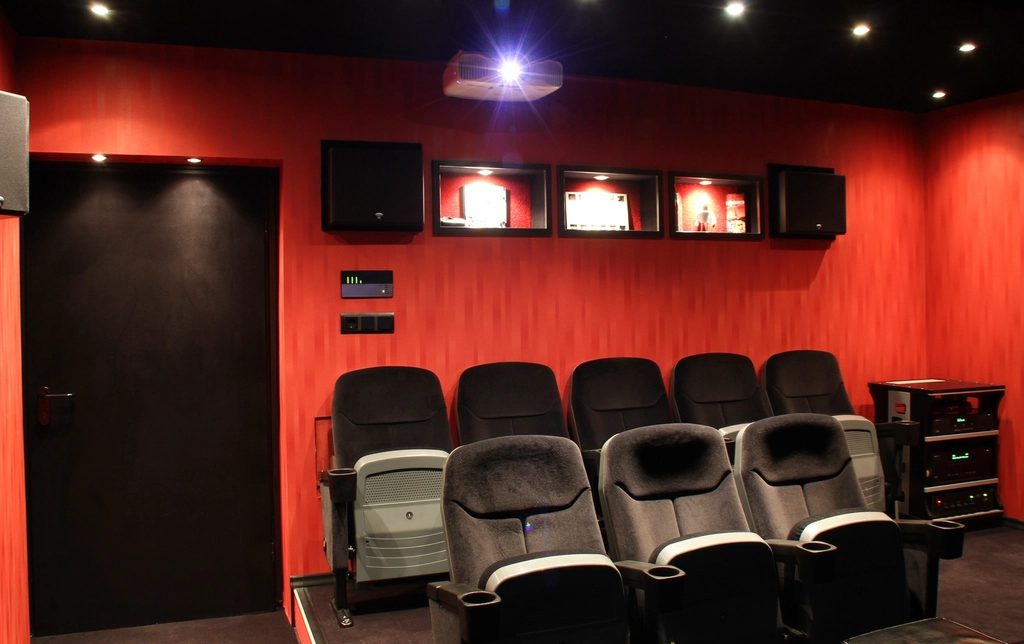
The throw
Light escaping a box at the back of the room. Everything upstream — lens, lamp, stock, grade — exists to survive this last few metres of air.
About
Written for people who watch the edges of the frame
Aperture is a small journal about how films are photographed. Not reviews, not release dates — lenses, lamps, stock, movement, and the reasoning that puts a camera in one place rather than another. Every issue takes a handful of images apart and says plainly what was done and why.
The call sheet
One frame, broken down, every Friday
A single still, the lighting plan behind it, and the one choice that made it work. Short enough to read before the kettle boils.